


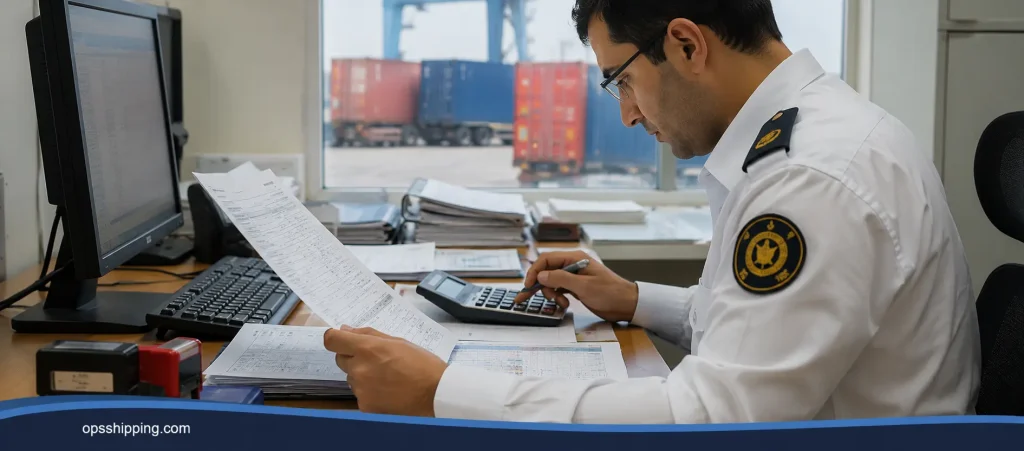
Customs clearance costs are not fixed and cannot be determined by a single standard rate. The final amount depends on several factors, including the type and value of the goods, HS Code, customs duties and taxes, required permits, warehousing, inspection, handling, and inland transportation.
This is why calculating only the purchase price and international freight is not enough when estimating the total cost of an import shipment. An importer may face additional expenses during customs clearance that were not included in the initial calculation. For a more realistic estimate, customs clearance should be considered as one part of the total landed cost of the goods.
For imports from China, factors such as the type of cargo, shipping method, destination port, customs classification, and required documentation can all affect the final cost. Planning these expenses before the shipment leaves the origin country can help importers make better purchasing decisions and avoid unexpected costs.
What Does Customs Clearance Cost Include?
When people talk about the cost of customs clearance, they often think only about customs duties. In reality, the total cost of clearing a shipment may include several different expenses depending on the type of cargo and the circumstances of the shipment.
Potential costs may include:
- Customs duties and taxes
- Government charges and applicable fees
- Warehousing
- Loading and unloading
- Cargo inspection and assessment
- Customs-related services
- Required permits and certificates
- Specialized inspection or technical services
- Inland transportation from the customs facility
- Customs broker or clearance service fees
Not every shipment will incur all of these costs, and the amount of each expense can vary depending on the cargo and applicable regulations.
What Factors Affect Customs Clearance Costs?
1. Customs Value of the Goods
The value of the goods is one of the important factors in customs calculations. Depending on the applicable customs rules, the recognized customs value can affect the amount of duties, taxes, and other charges associated with the import.
For this reason, importers should maintain accurate and properly documented information about the transaction value. Using incomplete or inaccurate information can create complications during the customs process and make it more difficult to estimate the actual cost of importing the goods.

2. HS Code and Tariff Classification
The HS Code is one of the most important elements in determining the customs treatment of a product.
The Harmonized System is an international classification system used to categorize goods in global trade. The classification of a product can affect applicable tariffs, import requirements, permits, and other customs procedures.
An HS Code should not be selected solely based on the commercial name of a product. Factors such as its material, function, technical specifications, and actual use may also be relevant.
Incorrect classification can result in declaration corrections, additional reviews, or delays in the customs clearance process.
Before diving into the costs involved, it’s important to understand how the customs clearance process works. Our guide, “What Is Customs Clearance?”, walks you through the process step by step, helping you better understand the costs and requirements involved in importing goods.
3. Customs Duties and Taxes
One of the main components of customs clearance costs is the duties and taxes applicable to the imported goods.
These amounts are not the same for every product. They can depend on the tariff classification, customs value, type of goods, import procedure, and regulations applicable at the time of clearance.
This is why knowing only the purchase price of a product is not enough to calculate its customs cost. The importer must first determine the appropriate tariff classification and understand the applicable customs requirements.
For commercial importers, even a difference in tariff classification between two similar products can have a noticeable effect on the final landed cost.
4. Government Charges and Other Applicable Fees
In addition to customs duties, certain imports may be subject to taxes or other legally applicable charges.
The calculation and applicability of these amounts depend on the type of goods and the regulations governing the specific import transaction.
For this reason, importers should avoid calculating the customs cost using only one figure. A complete estimate should consider all applicable customs-related charges before the goods are shipped.
5. Warehousing Costs
Warehousing is one of the costs that importers sometimes overlook when estimating customs clearance expenses.
Once goods arrive at a customs facility, they may remain there until the required clearance procedures are completed. If the process takes longer than expected, storage-related costs can increase.
Incomplete documentation, missing permits, declaration issues, valuation questions, or extended inspection procedures can all contribute to longer storage periods.
This means that preparing documents correctly and starting the clearance process on time is not only important for reducing delays—it can also help control additional costs.
6. Loading, Unloading, and Port Handling Costs
For sea freight shipments, costs associated with unloading, loading, handling, and other port operations may form part of the overall logistics cost.
These charges are not necessarily included in the international freight rate. Therefore, importers should clarify exactly which services are included in the quoted shipping price and which charges are billed separately.
This is particularly important for containerized shipments, where port services, container handling, storage, and delivery arrangements can affect the total cost.
7. Inspection and Cargo Assessment Costs
Depending on the customs procedure and assessment requirements, a shipment may need to undergo document review or physical inspection.
When additional inspection, handling, or cargo movement is required, related service costs may be added to the overall expenses.
Not every shipment is subject to the same level of inspection, so these costs cannot be considered fixed. They depend on the type of cargo and the circumstances of the customs declaration.
8. Customs Broker or Clearance Service Fees
Many importers choose to work with a customs broker or specialized clearance company to manage customs procedures.
In this case, the broker’s professional fee should also be included when calculating the total cost of the import.
The cost of customs clearance services can vary depending on the type of goods, complexity of the shipment, number of procedures involved, and level of support required.
Shipments requiring special permits, technical documentation, or additional follow-up may require more extensive clearance services.
9. Inland Transportation from Customs to the Final Destination
Completing customs clearance does not necessarily mean that the goods have reached the importer’s warehouse.
Once the cargo is released, it may still need to be transported from the port or customs facility to the final destination.
For example, goods imported by sea may arrive at an Iranian port, complete customs procedures, and then be transported by truck to the importer’s warehouse.
Therefore, inland transportation should also be included when calculating the total landed cost of the shipment.

How Much Does Customs Clearance from China Cost?
One of the most common questions among importers is:
How much does it cost to clear goods imported from China?
There is no single fixed answer.
The cost depends on factors such as:
- Product type
- Customs value
- HS Code
- Quantity
- Weight and volume
- Destination customs facility
- Required permits
- Warehousing period
- Inspection requirements
- Inland transportation
- Other applicable charges
Two importers may purchase goods from China at similar prices but still face very different customs clearance costs because their products, tariff classifications, quantities, or regulatory requirements are different.
For this reason, importers should estimate the complete cost of importing the shipment, rather than asking only for the customs clearance fee.
Customs clearance is only one part of the total cost of importing goods. If you want a clearer picture of the true cost of importing from China to Iran and how all the expenses come together, read our guide “What Is the Real Cost of Importing from China to Iran?” for a complete breakdown.
What Is the Difference Between Customs Clearance Cost and Total Import Cost?
These two concepts are related but not the same.
Customs clearance cost refers to the expenses associated with completing the customs procedures and releasing the goods.
Total import cost is much broader and can include all expenses from purchasing the goods until they reach the final destination.
For example:
Product Cost + Origin Charges + International Freight + Insurance + Customs Duties + Taxes + Clearance + Warehousing + Inland Transportation + Other Logistics Costs
This is why importers should calculate the landed cost of the goods instead of focusing only on customs expenses.
A product that appears inexpensive at the supplier’s location may become significantly more expensive once transportation, customs, and other logistics costs are included.
How Can You Reduce Customs Clearance Costs?
Reducing customs clearance costs does not necessarily mean paying less in customs duties. In many cases, the most effective approach is to prevent unnecessary additional costs.
Prepare Documents Before the Cargo Arrives
Having the required documents ready before the shipment reaches customs can help reduce delays and avoid unnecessary storage costs.
Check the HS Code in Advance
Correct tariff classification can reduce the risk of declaration errors, corrections, and additional customs reviews.
Account for Additional Charges
Do not focus only on customs duties. Warehousing, port handling, inspection, inland transportation, and professional clearance services can also affect the total cost.
Calculate the Landed Cost Before Purchasing
Knowing the estimated total import cost before placing an order allows you to make a more informed decision about the profitability of the transaction.
Choose the Right Shipping Method
The shipping method can also affect the overall logistics cost. For larger shipments, FCL may be more practical in certain situations, while LCL can be more suitable for smaller shipments that do not require a full container.
If you’re comparing transportation costs, our guide “How to Reduce Container Shipping Costs from China” can help you explore practical ways to lower freight expenses. Reducing shipping costs alongside customs and clearance expenses can make a significant difference to your total landed cost.
Common Mistakes When Calculating Customs Clearance Costs
One common mistake is asking for a customs clearance price without providing enough information about the product.
A realistic estimate requires information such as the product type, value, quantity, weight, volume, country of origin, and preferably the HS Code.
Another mistake is ignoring additional costs. Some importers calculate only customs duties while overlooking warehousing, port handling, inland transportation, inspection, and customs broker fees.
A third mistake is waiting until the shipment arrives at customs before calculating the expenses. By that point, the importer may have limited options to adjust the purchasing or transportation strategy.
A better approach is to estimate the total import cost before purchasing and shipping the goods.
What Information Is Needed to Estimate Customs Clearance Costs?
To prepare an initial estimate, the following information can be useful:
- Exact product type
- Product description and technical specifications
- HS Code, if available
- Product value
- Quantity
- Weight and volume
- Country of origin
- Destination customs facility
- Shipping method
- Packaging type
- Required permits
- Final delivery destination
The more accurate the information, the more realistic the estimated cost is likely to be.
How Can a Logistics Company Help Manage Import Costs?
Although a logistics company does not determine every customs-related charge, the way transportation is planned can have a significant impact on the overall cost of an import shipment.
Choosing the right route, shipping method, origin and destination ports, transit schedule, and documentation process can help reduce delays and unnecessary logistics expenses.
With Door-to-Door logistics, different stages of transportation can also be coordinated as part of a more integrated supply chain.
OpsShipping provides international logistics services including sea freight, import, export, transit, and Door-to-Door transportation across key trade routes involving China, Dubai, Turkey, India, and Russia.
For commercial importers, coordinating transportation, documentation, customs procedures, and final delivery through an experienced logistics partner can make the overall process easier to manage.
FAQ
There is no fixed customs clearance fee for all products. The cost depends on factors such as product value, HS Code, tariff classification, duties and taxes, warehousing, inspection, handling, and other applicable charges.
Customs duties are one part of the overall customs-related cost, but additional expenses such as warehousing, handling, inspection, professional clearance services, and inland transportation may also apply.
There is no standard fixed amount. The cost depends on the product type, customs value, HS Code, quantity, weight, destination, applicable regulations, and other shipment-specific factors.
No. Customs clearance is only one component of the total import cost. The total landed cost can include the product price, origin charges, international freight, insurance, customs duties, taxes, clearance, warehousing, inland transportation, and other logistics expenses.
Accurate documentation, correct HS Code classification, early preparation, avoiding unnecessary delays, choosing the appropriate shipping method, and calculating the complete landed cost before shipping can help control total expenses.
The shipping method does not necessarily determine all customs duties, but it can affect the overall import cost through freight, port handling, storage, transit time, and other logistics-related expenses.
Conclusion
Customs clearance costs are not a fixed amount and cannot be accurately estimated without considering the characteristics of the shipment. Product type, customs value, HS Code, duties and taxes, permits, warehousing, inspection, port handling, and inland transportation can all contribute to the final cost.
For importers, the most effective approach is to look beyond customs duties and calculate the complete landed cost of the goods from the supplier to the final destination.
For imports from China, proper documentation, correct tariff classification, appropriate shipping planning, and coordination between transportation and customs procedures can help reduce unnecessary costs and delays.
By estimating these expenses before purchasing and shipping the goods, businesses can make more informed decisions about profitability, pricing, and the overall feasibility of an import transaction.
Plan Your Import Costs Before Shipping
Customs clearance is only one part of the total cost of importing goods.
If you are planning to import goods from China, Dubai, Turkey, India, or Russia, evaluating the transportation route and expected logistics costs before shipping can help you make a more informed decision and avoid unnecessary expenses.
Contact the OpsShipping team to discuss your shipment and find the most suitable transportation and logistics solution for your business.