


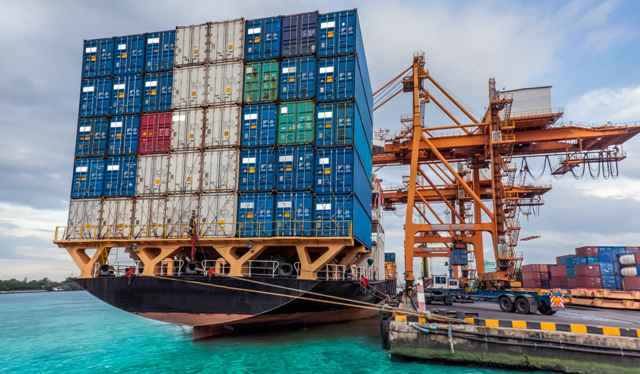
Cargo transit is more than moving goods from one place to another. It is a sensitive process that can become costly if not managed properly. Delays in loading, document errors, poor packaging, or choosing the wrong transport route can disrupt the entire supply chain.
If you are involved in import, export, or international shipping, you need to treat cargo transit as a precise operation, not just transportation. That is why understanding the basics of cargo transit is so important.
This guide, prepared by OPSShipping, walks through the full cargo transit process from factory door to final customer delivery with a practical focus on reducing risk and improving delivery performance. If you are new to the field, our article on maritime trade for beginners is a useful companion.
What Does Cargo Transit Mean?
Cargo transit refers to the movement of goods from origin to destination while following transport, customs, documentation, and timing requirements. It may be domestic, international, or a combination of both, but the goal is always the same: deliver goods safely, on time, and without complications.
In cargo transit, physical transport is only one part of the process. Other important elements include:
- packaging
- insurance
- transport method
- customs coordination
- documentation
- final delivery
If any part of this chain is missing, costs rise and delivery speed drops.
Why Is Cargo Transit Important for Businesses?
For any company involved in import and export, proper transit management means lower risk and higher customer trust. A shipment that arrives on time and in good condition strengthens the brand. In contrast, delayed or damaged cargo can affect the whole contract.
Key benefits of effective cargo transit:
- lower damage risk
- better cost control
- on-time delivery
- higher customer satisfaction
- stronger supply chain management
In many cases, poor sea freight planning or lack of coordination leads to expensive delays. That is why understanding cargo transit is essential, not optional.
Main Stages of Cargo Transit
1) Preparing Goods at Origin
The first step is preparing the cargo at the factory. If goods are not packaged and labeled properly, the risk of damage or misdelivery increases.
Important tasks at this stage:
- final quality check
- weight and dimension recording
- package count verification
- labeling
- loading preparation
2) Choosing the Right Transport Method
Not every shipment should be moved the same way. The best method depends on the type of cargo, delivery time, budget, and destination.
Common transport methods:
- sea freight
- air freight
- land transport
- multimodal transport
For large international shipments, sea freight and especially container shipping are often the main choices.
3) Booking and Planning
At this stage, you need to:
- set the loading schedule
- define the route
- choose the port or final destination
- reserve transport capacity
In cargo transit, early planning helps reduce storage and demurrage costs. Delays here are often more expensive than the transport itself.
4) Preparing Shipping and Customs Documents
Incomplete documents are one of the main reasons cargo gets stuck along the route.
Common documents include:
- commercial invoice
- packing list
- bill of lading
- certificate of origin
- required permits
- insurance policy
In import and export, document accuracy is just as important as transport accuracy. Even a small mismatch can create serious problems.
5) Loading and Dispatch
Once the cargo and documents are ready, loading begins. At this stage, information must be checked carefully.
Verify:
- container number
- seal number
- package count
- visible condition of cargo
- document consistency
If the shipment moves through container shipping, this stage provides more security because the cargo travels in a controlled, sealed environment.
6) Customs Clearance and Final Delivery
When the cargo reaches destination, another critical phase begins: customs clearance and final delivery.
This stage usually includes:
- submitting documents
- paying duties and fees
- completing customs procedures
- arranging inland delivery to warehouse or customer
In fact, cargo transit is successful only when the goods reach the customer without unnecessary delays.
hy Sea Freight Matters in Cargo Transit
For many businesses, sea freight is the most important part of the transit chain. Especially for high-volume or international shipments, ocean transport is often the most practical option in terms of cost and capacity.
Benefits of sea freight:
- high capacity
- lower cost compared to some other methods
- suitable for many cargo types
- ideal for long-distance routes

Why Container Shipping Is Important
Container shipping is one of the safest ways to move goods internationally. It helps protect cargo, reduce damage, and simplify loading and unloading.
Advantages:
- better cargo protection
- more control over shipment handling
- lower damage risk
- faster loading and unloading
- better structure in cargo transit
For companies that regularly work in import and export, container shipping is a strategic choice.
Common Cargo Transit Mistakes
1) Weak Packaging
Even good products can be damaged if packaging is poor.
2) Incomplete Documents
In cargo transit, missing paperwork can stop the shipment.
3) Choosing the Wrong Transport Method
A cheaper option at the start can become more expensive later.
4) Not Insuring the Cargo
Risks always exist in sea freight.
5) No Time Buffer
Even small delays can disrupt the whole delivery chain.
Quick Pre-Shipment Checklist
- cargo has been fully checked
- packaging is strong
- weight and volume are recorded
- documents are ready
- insurance is issued
- transport method is confirmed
- destination is approved
This simple checklist helps prevent many cargo transit problems.
When Should You Work with a Shipping Expert?
If any of the following apply, it is better to work with a freight forwarder or logistics advisor:
- the cargo is sensitive or high-value
- the destination is complex
- documents are numerous
- delivery time is critical
- you are still learning maritime trade for beginners
For serious projects, working with a professional team such as OPSShipping can reduce risk and improve coordination.
Conclusion
In short, cargo transit means managing the full journey of goods from factory to customer. The clearer the process, the better the documents, and the more professional the transport method, the lower the risk and the higher the customer satisfaction.
To succeed in this field, you need knowledge of sea freight, import and export, and, when needed, support from experienced professionals.
FAQ
Cargo transit is the movement of goods from origin to destination while following transport, customs, and documentation requirements.
Packaging, documentation, and transport method selection are the most critical parts.
Sea freight is only one transport method, while cargo transit covers the full process.
If you want to manage cargo transit in a professional, low-risk, and organized way, the team at OPSShipping can support you.
For expert consultation in cargo transit, container shipping, and sea freight, contact OPSShipping today.