


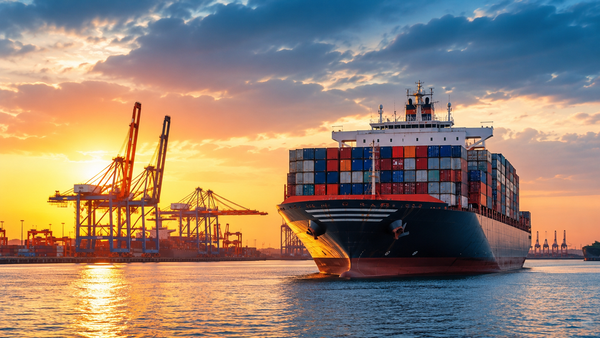
More than 80% of global trade is carried out through sea transport, yet most beginners entering maritime trade have no idea about hidden costs, port delays, customs rules, or real-world risks.
On the surface, it looks simple:
You buy goods, ship them by sea, and make a profit.
But in reality, maritime trade is much more complex.
Port congestion, unexpected fees, customs delays, shipping insurance issues, and even weather conditions can destroy your profit margins if you are not prepared.
This guide will help you understand maritime trade for beginners in a practical, real-world way — not theory.
What Is Maritime Trade and Why It Matters?
Maritime trade refers to the transportation of goods via sea routes between countries. It is the backbone of global import and export operations.
Why Maritime Trade Is So Important
Lower Shipping Costs
Sea freight is significantly cheaper than air freight for large shipments.
Massive Cargo Capacity
Container ships can carry thousands of containers at once.
Global Accessibility
Almost every country is connected through sea trade routes.
Ideal for Long-Term Business
If you want to build a sustainable import/export business, maritime logistics is essential.
Key Terms in Maritime Trade Every Beginner Must Know
FOB (Free on Board)
Under FOB terms, the seller delivers goods to the port of origin, and the buyer takes responsibility from there.
CIF (Cost, Insurance, Freight)
Under CIF, the seller covers shipping and insurance costs until the destination port.
Bill of Lading
A critical shipping document that acts as proof of ownership and contract of carriage.
Demurrage
Extra charges applied when containers stay too long at the port.
This is one of the hidden costs beginners often underestimate.

Hidden Secrets About Maritime Trade for Beginners
1. The Cheapest Shipping Company Is Not Always the Best
Many beginners choose logistics providers based only on price.
However, low-cost providers may:
- Delay shipments
- Offer poor communication
- Cause cargo damage risks
- Add hidden charges later
Sometimes paying slightly more saves thousands in losses.
2. Shipping Delays Are Completely Normal
Maritime logistics is not always predictable.
Common delay causes include:
- Weather conditions
- Port congestion
- Customs inspections
- Strikes
- Documentation issues
Always plan buffer time into your supply chain.
3. Cargo Insurance Is Essential, Not Optional
Skipping insurance to reduce costs is a major mistake.
Risks include:
- Cargo damage
- Container loss
- Water damage
- Theft or accidents
Without insurance, you bear full financial risk.
4. Customs Rules Vary by Country
Each country has different import/export regulations.
Incorrect labeling or missing permits can result in cargo seizure.
Always research:
- Import restrictions
- Duties and taxes
- Required certifications
5. Profit Depends on Product Selection
Success in maritime trade is not just about shipping — it starts with choosing the right product.
A good product should have:
- High demand
- Manageable competition
- Good profit margin
- Easy logistics
How to Start Maritime Trade as a Beginner
Step 1: Choose Your Market
Decide whether you want to import or export and identify target countries.
Step 2: Find Reliable Suppliers
Check supplier credibility, request samples, and verify contracts before payment.
Step 3: Choose Shipping Method
FCL (Full Container Load)
Best for large shipments and cost efficiency.
LCL (Less than Container Load)
Ideal for beginners and small shipments.
Step 4: Work with a Freight Forwarder
A freight forwarder helps manage:
- Shipping documentation
- Customs clearance
- Logistics coordination
- Cost optimization
Common Mistakes in Maritime Trade
- No formal contracts
- Trusting suppliers blindly
- Ignoring currency fluctuations
- Underestimating hidden costs
- Poor logistics planning

Is Maritime Trade Still Profitable?
Yes — but not for impatient beginners.
Success requires:
- Research
- Risk management
- Strong networks
- Patience
Future of Maritime Trade
The industry is evolving with:
- Smart shipping technologies
- Automated ports
- Green shipping initiatives
- Digital documentation systems
Global trade demand continues to grow, making maritime logistics a long-term opportunity.
FAQ
Yes, but start small with LCL shipments.
It depends on your product, but beginners can start with low-volume shipments.
High-demand, high-margin, easy-to-ship goods.
In some cases yes, but having a registered business is recommended.
If you are planning to enter maritime trade, start by researching your first product carefully. Small, smart steps lead to long-term success in global trade.