


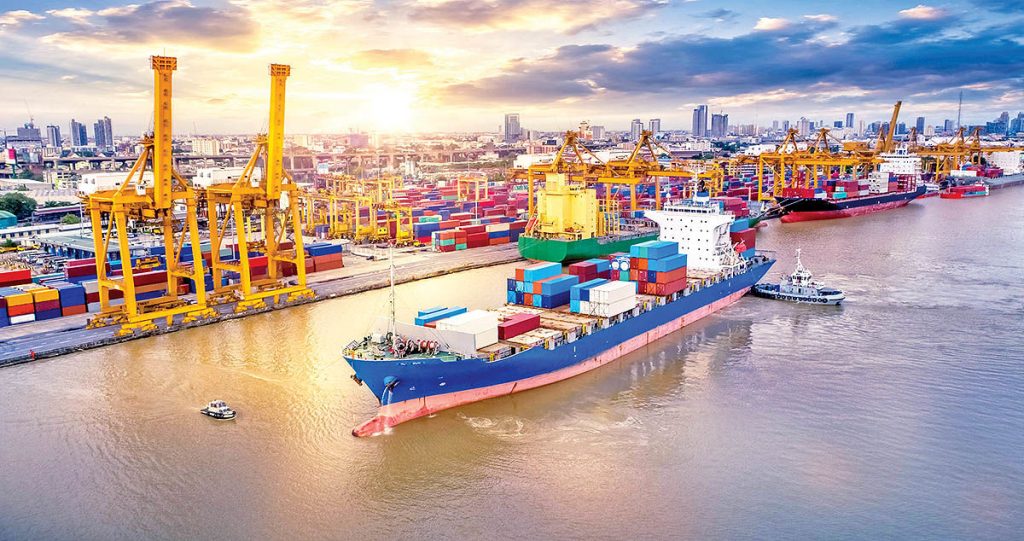
Sanctions are one of the biggest challenges that can disrupt the normal flow of maritime trade. Restrictions on payments, difficulties in cargo insurance, higher shipping costs, delays in customs clearance, and the risk of losing foreign clients are just some of the issues businesses in this sector face.
However, sanctions do not necessarily mean the end of trade. Companies that operate professionally, transparently, and fully within legal frameworks can not only survive these conditions but also maintain profitability. In this environment, choosing the right logistics partner, managing documentation accurately, identifying alternative markets, and complying with all legal requirements play a decisive role.
Why Does Maritime Trade Become More Complex Under Sanctions?
Sanctions usually affect several parts of the supply chain at the same time, including:
- Limited access to international shipping lines
- More difficult money transfers and settlements
- Higher insurance and freight costs
- Greater sensitivity around shipping documents and country of origin
- Restrictions in working with certain ports and companies
- Longer coordination, unloading, and customs clearance times
These factors mean that even a small planning error can lead to significant financial losses. That is why professional management is not optional; it is essential.
Legal Strategies to Maintain Profitability in Maritime Trade
1. Conduct a Thorough Risk Assessment Before Every Shipment
Before starting any shipment, assess the risks related to destination, type of goods, payment terms, insurance, transportation route, and the involved parties. This helps prevent problems and supports data-driven decision-making rather than guesswork.
2. Choose Transparent Trade Routes That Comply with Regulations
Under sanctions, the most important principle is that all activities must remain within legal and regulatory frameworks. Working with companies familiar with legal requirements helps avoid serious future issues.
3. Manage Documents Professionally
In sea freight, documents are critical. Any error in the bill of lading, invoice, packing list, certificate of origin, or consignee details can cause delays or even cargo seizure. Having a specialized team review documents is a major competitive advantage.
4. Diversify Markets and Customers
Relying on a single market increases risk under sanctions. Successful companies usually identify alternative markets and build relationships with new customers in different regions. This helps create a more stable revenue stream.
5. Optimize Freight and Logistics Costs
Sanctions often raise costs, but proper planning can help control some of them. Sending cargo at the right time, consolidating shipments, using cost-effective routes, and negotiating with service providers are all effective ways to reduce expenses.
6. Work with Specialized Sea Freight Companies
In complex conditions, partnering with companies that have real experience in maritime shipping and international logistics is extremely valuable. These companies can play an important role in planning, coordination, documentation, insurance, and risk management.
The Role of Risk Management in Overcoming Restrictions
Risk management in maritime trade is not just about identifying threats; it is about designing a sustainable operating model. This model should include:
- Identifying critical points in the supply chain
- Verifying the credibility of trade partners
- Checking document accuracy
- Preparing backup plans for delays
- Managing cash flow and payments
- Creating contingency scenarios for each shipment
A business prepared for different scenarios is less likely to face disruption and losses.
How Can Profitability Be Preserved in This Environment?
Maintaining profitability in maritime trade under sanctions requires more than a reactive mindset. Instead of focusing only on problems, businesses should prioritize efficiency and smart decision-making:
- Reduce operational errors
- Select suppliers and carriers carefully
- Minimize cargo idle time
- Avoid hidden costs
- Seek expert advice before signing contracts
- Continuously analyze market conditions and freight rates
In fact, profitability in this environment comes from better management, not just higher volume.
Why Is Choosing the Right Logistics Partner So Important?
During sanctions, even a small mistake can turn into a major expense. A professional logistics partner should have:
- Experience in international sea freight
- Knowledge of customs and legal requirements
- Strong document management capabilities
- Reliable operational connections
- Fast response in crisis situations
- Transparent pricing and schedules
Oceans of White Star, with its expertise in maritime transportation, can help businesses move through international trade with greater confidence and fewer risks.
Conclusion
Sanctions can make maritime trade more difficult, but they do not necessarily prevent growth or profitability. Companies that focus on transparency, risk management, accurate documentation, legal routes, and cooperation with specialized teams can remain active, competitive, and profitable.
If your goal is to continue operating in international markets with lower risk and higher efficiency, now is the time to manage your maritime logistics more professionally.
FAQ
Yes. If all stages are handled legally, transparently, and with careful risk management, maritime trade can remain active and profitable.
The main challenges include payment restrictions, rising freight costs, insurance difficulties, document sensitivity, and increased delay risks.
By carefully evaluating trade partners, completing documents correctly, working with a reliable logistics company, and having backup plans for emergencies.
Because a specialized company can play a key role in document handling, shipment coordination, risk reduction, and preventing costly mistakes.
Keep Your Maritime Trade Moving with Confidence
If you want to manage your sea freight operations under sanctions with lower risk and higher profitability, the Opsshipping team is ready to provide expert consultation and specialized services.
Contact us today for consultation and shipping service quotes.