


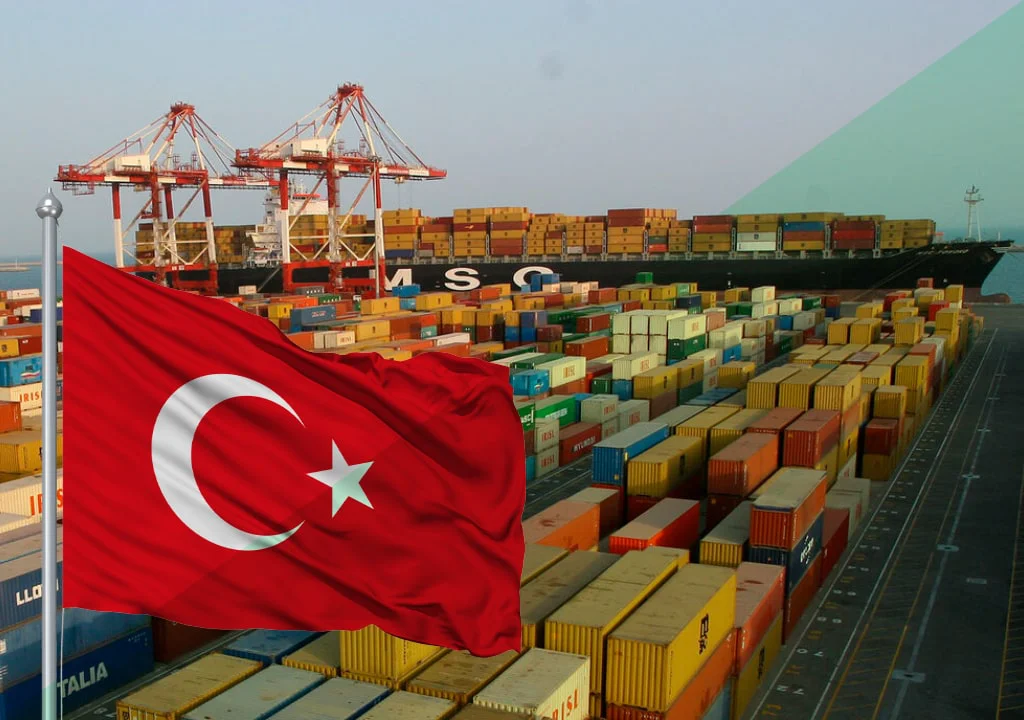
Turkey has long been an attractive option for Iranian traders due to its geographic proximity, diverse industries, and competitive prices. In recent years—especially following international sanctions—demand for quality, cost‑effective Turkish goods has surged. This step‑by‑step article from Oqyanous Pemaay-e Sepid shows which products offer the highest profitability and how you can import from Turkey safely and efficiently.
Key features of the Turkish market
- Geographic location: Borders in Iran’s northeast (Bandar Bojak, Garfs) reduce road transit times to 2–3 days.
- Industrial structure: A mix of heavy industry (machinery, steel) and light manufacturing (apparel, home appliances).
- Quality and standards: Many Turkish products carry European certifications (CE) and the Turkish national standard (TS).
- Competitive pricing: Lower production costs and large export volumes make Turkish prices attractive for the Iranian market.
Profitable products for Iranian importers
| Category | Example Products | Why Profitable |
|---|---|---|
| Apparel & Fashion | Women’s clothing, shoes, bags | Modern designs, mid‑range prices, high domestic demand |
| Home Appliances | Refrigerators, washing machines, air conditioners, kitchen appliances | Well‑known brands (Arçelik, Beko) at competitive prices |
| Food Products | Dried fruits & nuts, honey, sucuk/salami, yogurt | High quality, long trading history, attractive margins |
| Auto Parts | Springs, suspension systems, interior components | Large vehicle market in Iran; Turkish parts offer good quality |
| Cosmetics & Personal Care | Creams, shampoos, perfumes | European‑style quality at competitive prices |
Note: For all categories, ensure products have required quality certifications (ISO/CE) and comply with Iranian standards and customs requirements (ISIRI).
Advantages of importing from Turkey
- Short transit time: Overland routes via the Bojak and Garfas borders reduce transit to 2–3 days.
- Support from advanced ports: Urmia and Mersin provide full logistical services.
- Ability to pay in non‑restricted currencies: Turkey accepts payments in USD, EUR, or TRY.
Banking facilities: Some Iranian banks (for example Bank Saderat) offer trade‑specific credit lines for bilateral commerce.
Challenges and Solutions
| Challenge | Proposed Solution |
|---|---|
| Complex customs regulations | Consult a reputable customs broker in advance; prepare complete documentation (invoice, certificate of origin, health/sanitary certificates). |
| Exchange rate volatility | Use forward currency contracts or issue fixed‑currency invoices to reduce exchange rate risk. |
| Standards mismatch | Carefully review Iranian standards (ISIRI) and align products with Turkish standards; perform official testing and obtain certificates if required. |
| Restrictions on certain goods | Before purchasing, obtain the list of prohibited or restricted items from customs and relevant authorities; secure necessary permits or import licenses. |
| Logistics delays or damages | Purchase cargo insurance, use reputable carriers, and require pre‑shipment inspection and secure packaging. |
| Payment and trust risks | Use secure payment methods (L/C, escrow) and verify suppliers via references, factory visits, or third‑party audits. |
| Language and communication barriers | Work with bilingual agents or translators and document agreements in writing (preferably contracts in both languages). |
Key steps to start importing
- Market research: Identify demand, competitor pricing, and sales volume for the product in Iran.
- Find a reliable supplier: Attend Turkish trade fairs (Istanbul Fair, Ankara Expo) or use reputable B2B platforms.
- Negotiate and draft the contract: Clarify payment terms (prepayment, L/C), shipping terms (FOB, CIF), and quality guarantees.
- Obtain certificate of origin: To benefit from favorable tariff classification and reduce duties.
- Choose transportation: Select road or multimodal (sea + road) shipping based on volume and timing.
- Prepare customs documents: Commercial invoice, packing list, health certificate (for food), and other required paperwork.
- Unloading and distribution: After customs clearance, use local distributors or sell directly to retailers.
Additional tips for long-term success
- Local branding: Use Persian-language packaging and adapt to Iranian consumer preferences to boost sales.
- After‑sales support: Provide warranty services, spare parts, and consumer training for products that require servicing.
- Continuous updates: Monitor changes in customs and tax regulations in both countries and use specialized consultants.
FAQ
The best approach is to attend Turkish trade fairs, use reputable B2B platforms (e.g., Alibaba Turkey, TradeKey), and check reviews from other buyers. You can also request a list of active companies from the chambers of commerce of both countries.
Commercial invoice, certificate of origin, packing list, health certificate (for food products), and, if required, CE or ISO certification for industrial products.
Yes; to import food products, especially processed foods, a sanitary (health) certificate issued by the Turkish health authority and approval from Iran’s Ministry of Health are required.