


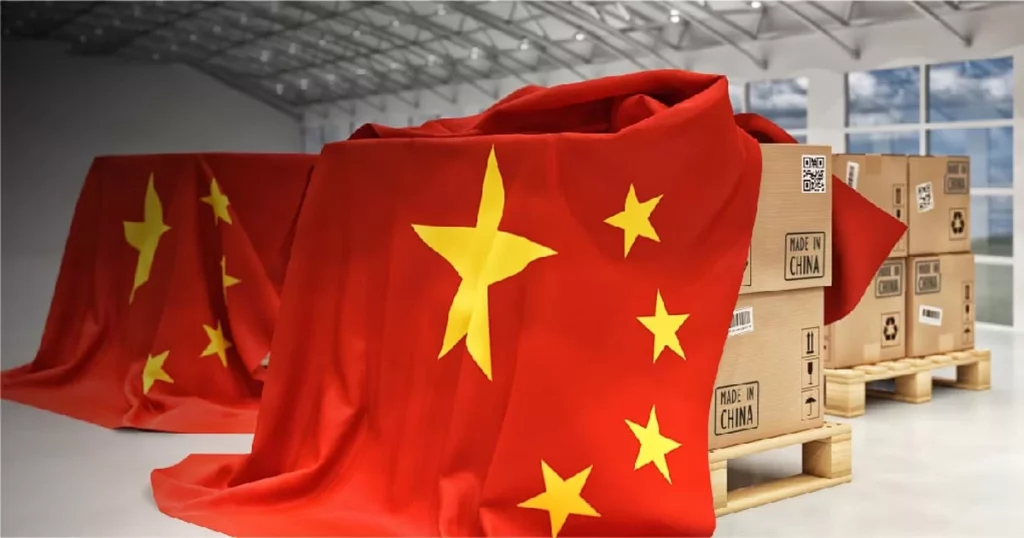
Importing from China to Iran is one of the most important international trade routes for businesses, traders, and companies looking to source products, raw materials, and equipment at competitive prices.
China’s large manufacturing capacity, wide range of suppliers, and strong position in global trade have made it one of the main sourcing destinations for Iranian importers.
However, successful importing is not only about finding a low-priced product or placing an order with a Chinese supplier. The real challenge begins after purchasing the goods, including choosing the right shipping method, controlling hidden costs, preparing documents, managing customs procedures, and ensuring smooth delivery.
Many importers focus only on the product price and underestimate other expenses such as international freight, insurance, port charges, customs duties, storage fees, and delays. These factors can significantly affect the final cost and profitability of the import.
In this guide, we explain the complete process of importing from China to Iran, from selecting the right product to final delivery, while highlighting practical points that help reduce risks and control costs.

Import from China to Iran Process Overview
The main steps of importing goods from China to Iran include:
- Market research and product selection
- Finding a reliable Chinese supplier
- Negotiating purchase terms
- Calculating the real import cost
- Choosing the right shipping method
- Preparing shipping documents
- Customs clearance in Iran
- Final transportation and delivery
Each stage can directly impact the cost, timing, and success of the import process.
Step 1: Market Research and Choosing the Right Product
The first step in a successful import process is selecting the right product. A common mistake among new importers is choosing products only because they are cheaper in China.
A low purchase price does not always mean a profitable business opportunity. Before importing, it is essential to analyze market demand, competition, regulations, and the final landed cost.
Before making a purchase decision, importers should evaluate:
- Market demand in Iran
- Competitor pricing
- Required investment
- Import regulations
- Shipping costs
- Expected profit margin
For example, a product may have an attractive price in China, but after adding freight costs, customs duties, and other expenses, it may no longer be competitive in the local market.
Professional importers always analyze the complete supply chain before placing an order.
Step 2: Finding a Reliable Supplier in China
Choosing the right supplier is one of the most important stages of importing from China. Product quality, production time, and order reliability depend heavily on this decision.
The Chinese market includes thousands of manufacturers, trading companies, and suppliers. Working with an unreliable supplier can lead to problems such as poor quality products, delays, or incorrect shipments.
Before working with a supplier, importers should check:
Company Experience
Review the supplier’s background, previous customers, and business history.
Product Samples
Testing samples before bulk orders helps prevent quality issues.
Production Capacity
For regular imports, the supplier must have enough production capability.
Payment Terms
Safe and clear payment conditions reduce financial risks.
Choosing a supplier should not be based only on the lowest price. Reliability, quality, and communication are equally important.
Step 3: Calculating the Real Import Cost from China
One of the most important parts of importing from China is calculating the actual cost of the entire process. Many importers only consider the product price and ignore additional expenses that directly affect the final cost.
The real import cost may include:
| Cost Type | Description |
|---|---|
| Product price | Payment to the Chinese supplier |
| International freight | Shipping cost from China to Iran |
| Insurance | Protection against transportation risks |
| Port charges | Loading, unloading, and handling costs |
| Customs duties | Legal import-related charges |
| Customs clearance | Documentation and clearance services |
| Domestic transportation | Delivery after customs clearance |
A professional importer should calculate the total landed cost before purchasing the goods. This helps avoid unexpected expenses and improves business decisions.
For a complete cost analysis, you can refer to the article:
“How Much Does Importing from China to Iran Really Cost?“
Step 4: Choosing the Best Shipping Method from China to Iran
After selecting the product and supplier, choosing the right shipping method is one of the most important decisions in the import process.
The shipping method directly affects:
- Total import cost
- Delivery time
- Cargo safety
- Risk management
Importers should compare different transportation options, including sea freight, land transportation, and combined shipping solutions, based on cargo type, volume, and business requirements.
For a detailed comparison of shipping methods, read:
Sea Freight from China to Iran
Sea freight is one of the most common transportation methods for importing goods from China to Iran, especially for large-volume shipments.
Goods are usually shipped from major Chinese ports such as Shanghai, Ningbo, Shenzhen, and Guangzhou through international shipping routes to Iranian ports.
The main advantages of sea freight include:
- Lower cost compared to air freight
- Suitable for large shipments
- Ability to transport full containers
- Better option for regular commercial imports
However, sea freight requires accurate planning because shipping schedules, port operations, and customs procedures can affect delivery time.
Working with an experienced international shipping partner helps reduce delays and unexpected costs.
Step 5: Choosing Between FCL and LCL Container Shipping
In container shipping, selecting the right service type has a major impact on transportation costs.
FCL (Full Container Load)
In FCL shipping, one importer uses an entire container for their shipment.
This option is usually suitable when:
- The cargo volume is high
- The importer needs dedicated container space
- The shipment requires better control and security
Advantages of FCL include:
- Faster handling process
- Lower risk of cargo mixing
- Better control over shipment management
LCL (Less than Container Load)
LCL shipping is used when multiple importers share the space inside one container.
This option is suitable for smaller shipments that do not require a full container.
Benefits of LCL include:
- Lower initial shipping cost
- Suitable for small-volume imports
- Flexible option for new importers
Choosing between FCL and LCL depends on cargo volume, budget, and delivery requirements.
Reducing Container Shipping Costs from China
Managing shipping costs is one of the biggest concerns for importers. Choosing the correct container type, planning shipment timing, and avoiding unnecessary delays can significantly reduce total expenses.
Factors that help reduce container shipping costs include:
- Selecting the right shipping method
- Optimizing container capacity
- Avoiding demurrage and storage fees
- Preparing documents before arrival
- Working with experienced logistics partners
Step 6: Preparing Shipping Documents and International Transportation
After finalizing the purchase, the next stage is preparing documents and arranging international transportation.
Important shipping documents usually include:
- Commercial Invoice
- Packing List
- Bill of Lading
- Certificate of Origin
- Required import permits
Errors in documentation can cause shipment delays, additional costs, and customs problems.
Proper coordination between the supplier, shipping company, and importer is essential for smooth transportation.
Step 7: Customs Clearance in Iran
Customs clearance is one of the most sensitive stages of importing from China to Iran.
After the shipment arrives, customs procedures begin, including document review, cargo evaluation, payment of duties, and obtaining permission for cargo release.
Common customs clearance steps include:
- Submitting import documents
- Customs declaration
- Cargo inspection
- Paying required fees
- Receiving release approval
Many importers face delays because of incomplete documents or lack of preparation before cargo arrival.
Proper planning before shipment arrival can significantly reduce clearance time and additional costs.

Step 8: Door to Door Import Services from China to Iran
For many importers, managing every stage of international transportation can be complicated and time-consuming. This is where Door to Door shipping services become valuable.
In a Door to Door solution, the entire logistics process is managed as one integrated service, starting from cargo pickup at the supplier’s location in China and continuing until final delivery at the importer’s destination.
This service may include:
- Cargo pickup from the supplier
- International sea freight
- Shipping coordination
- Customs clearance support
- Inland transportation
- Final delivery
A reliable logistics partner helps importers reduce operational challenges, avoid unnecessary delays, and have better control over the total import process.
Opsshipping provides international shipping, import, export, and transit solutions with Door to Door services across major trade routes including China, Dubai, Turkey, India, and Russia.
Common Mistakes When Importing from China to Iran
Many importers, especially those entering international trade for the first time, make mistakes that increase costs and create unnecessary risks.
Some common mistakes include:
Focusing Only on Product Price
The cheapest supplier does not always provide the lowest final cost. Shipping, customs, taxes, and additional expenses must always be considered.
Choosing an Unverified Supplier
Working with unreliable suppliers may result in poor quality, production delays, or incorrect shipments.
Ignoring Shipping Planning
Choosing the wrong shipping method or failing to prepare documents on time can create delays and extra costs.
Not Calculating Hidden Costs
Expenses such as storage fees, port charges, customs costs, and demurrage can significantly affect profitability.
Lack of Professional Logistics Support
International shipping requires coordination between multiple parties. Without proper management, small mistakes can become expensive problems.
How to Make Importing from China More Efficient
Successful importers focus on building a reliable process instead of only completing individual shipments.
Important factors include:
- Selecting the right supplier
- Choosing the most suitable shipping method
- Understanding container options
- Planning customs procedures in advance
- Working with an experienced logistics company
A structured import strategy helps businesses reduce risks and improve profitability.
Conclusion: A Successful Import Process Requires Smart Planning
Importing from China to Iran is a multi-stage process that requires careful planning, cost management, and professional coordination.
From selecting the right product and supplier to choosing sea freight solutions, managing containers, and completing customs clearance, every step affects the final result.
Businesses that manage the entire supply chain effectively can reduce unexpected costs and improve their competitive advantage.
Opsshipping, as a specialized partner in international sea transportation, provides import, export, transit, and Door to Door logistics solutions for businesses trading with China, Dubai, Turkey, India, and Russia.
FAQ
The delivery time depends on the shipping method, cargo type, port conditions, and customs procedures. Sea freight usually requires careful scheduling because transportation and clearance times can vary.
For most commercial shipments, sea freight is usually the most economical option, especially for large-volume cargo and container shipments.
Import profitability depends on product selection, supplier pricing, shipping costs, customs expenses, and market demand. Proper cost calculation before purchasing is essential.
Should I use FCL or LCL shipping from China?
FCL is usually better for larger shipments that require a full container, while LCL can be more suitable for smaller cargo volumes.
Why choose a Door to Door shipping service?
Door to Door services simplify the import process by managing multiple logistics stages through one provider, reducing coordination problems and improving shipment control.
Planning to import goods from China to Iran?
Choosing the right shipping method, controlling transportation costs, and managing customs procedures professionally can make a significant difference in your final profit.
Opsshipping provides specialized international shipping solutions, including sea freight, import, export, transit, and Door to Door services across key trade routes.
Contact our experts to find the most efficient shipping solution for your cargo.