


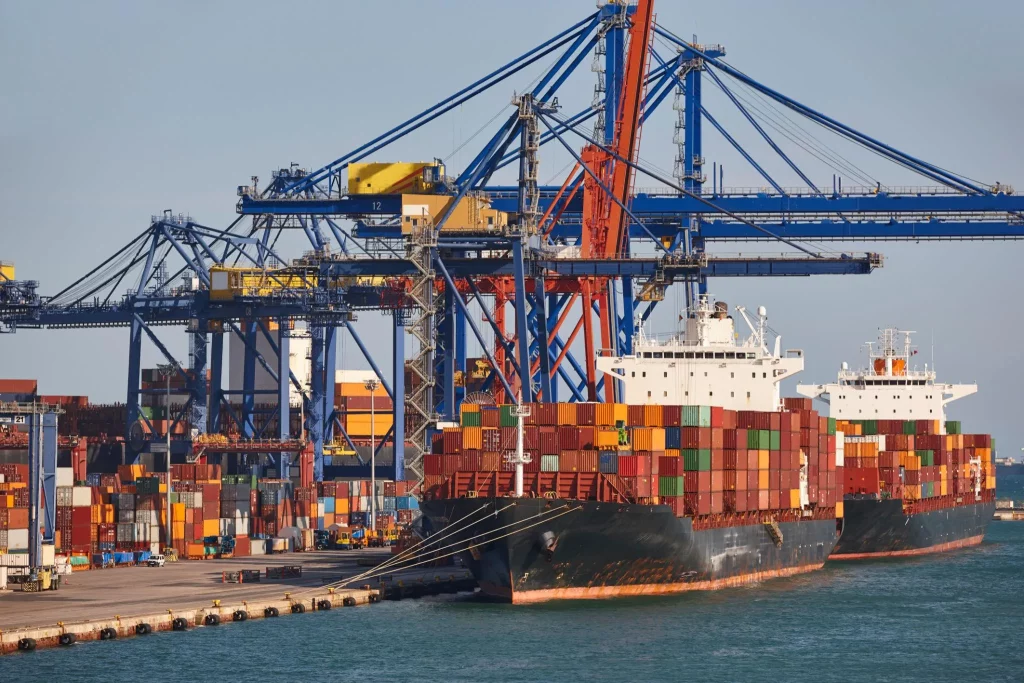
Rising Container Shipping Rates Worldwide: How Global Challenges Are Impacting Import Costs
Global maritime transportation is once again facing a significant increase in container shipping rates. Over recent months, a combination of geopolitical tensions, supply chain disruptions, and rising demand for cargo transportation has pushed freight costs on major international routes to their highest levels in years.
Industry experts believe that if these conditions continue, import costs, consumer prices, and global supply chains may experience further pressure in the coming months.

Route Changes and Pressure on Global Shipping Capacity
One of the primary reasons behind rising container shipping rates is the rerouting of vessels away from certain strategic maritime corridors. Due to increased security concerns in key shipping regions, many carriers have been forced to choose longer alternative routes.
Longer voyages reduce the effective capacity of the global fleet by keeping vessels occupied for extended periods. As a result, container availability has tightened in several major ports, contributing to higher freight rates.

Growing Demand in the Shipping Market
At the same time, importers and international businesses have accelerated their purchasing plans to avoid potential disruptions and future cost increases. This early demand surge has created additional pressure on already constrained shipping networks.
As demand continues to outpace available capacity on several trade lanes, freight rates between Asia, Europe, and North America have increased significantly.
The Impact of Trade Policies on Freight Costs
Changes in international trade policies and import tariffs have also influenced the shipping market. Whenever businesses anticipate new regulations or tariffs, they often rush to move goods before those measures take effect.
This behavior leads to temporary spikes in shipping demand, putting further pressure on carriers and driving rates upward.
Increasing Orders for New Container Ships
The current profitability of shipping companies has encouraged carriers to invest heavily in new vessel construction. Shipyards in major maritime nations are receiving increasing numbers of orders for container ships.
While additional capacity may help stabilize the market in the future, analysts warn that excessive fleet expansion could eventually create an oversupply situation if global demand slows down.
How Higher Freight Costs Affect Importers
Rising container shipping rates directly impact the total cost of imported goods. Businesses often include transportation expenses in their pricing calculations, meaning higher freight costs can eventually translate into higher prices for end consumers.
For this reason, efficient logistics planning, route optimization, and cost management have become increasingly important for importers worldwide.
How Is Shipping Cost from China to Iran Calculated?
The cost of shipping a container from China to Iran depends on several factors. There is no fixed rate, as pricing varies according to cargo specifications, market conditions, and shipping requirements.
Key factors affecting freight costs include:
- Container type (20ft or 40ft)
- Cargo volume and weight
- Port of origin in China
- Destination port in Iran
- Port handling charges
- Insurance costs
- Market demand and vessel availability
Global shipping conditions, seasonal demand, and geopolitical developments can also influence freight rates significantly.
How to Reduce Shipping Costs from China
Businesses can reduce transportation expenses by following several practical strategies:
- Book shipments before peak seasons
- Choose the most suitable container type
- Optimize cargo loading and container utilization
- Work with reliable freight forwarding companies
- Plan import schedules in advance
- Select the most cost-effective shipping routes
Careful planning and professional logistics support can significantly improve overall import profitability.
Conclusion
The recent increase in container shipping rates highlights the ongoing challenges facing the global maritime industry. Geopolitical developments, shifting trade patterns, and supply chain pressures continue to influence freight markets around the world.
For importers, understanding market trends and adopting efficient logistics strategies is essential for controlling transportation costs and maintaining competitiveness.
At OPS Shipping, we provide professional international freight forwarding and logistics solutions to help businesses optimize shipping costs and manage their global supply chains more effectively.
FAQ
Container shipping rates are rising due to geopolitical tensions, route diversions, increased shipping demand, and limited available capacity in certain trade lanes.
Yes. Shipping costs are part of the total landed cost of imported goods, and increases in freight rates often contribute to higher consumer prices.
Container type, cargo volume, origin and destination ports, insurance, port charges, and market conditions all influence freight pricing.
Advance planning, selecting the right shipping method, maximizing container utilization, and working with experienced logistics providers can help reduce overall transportation expenses.