


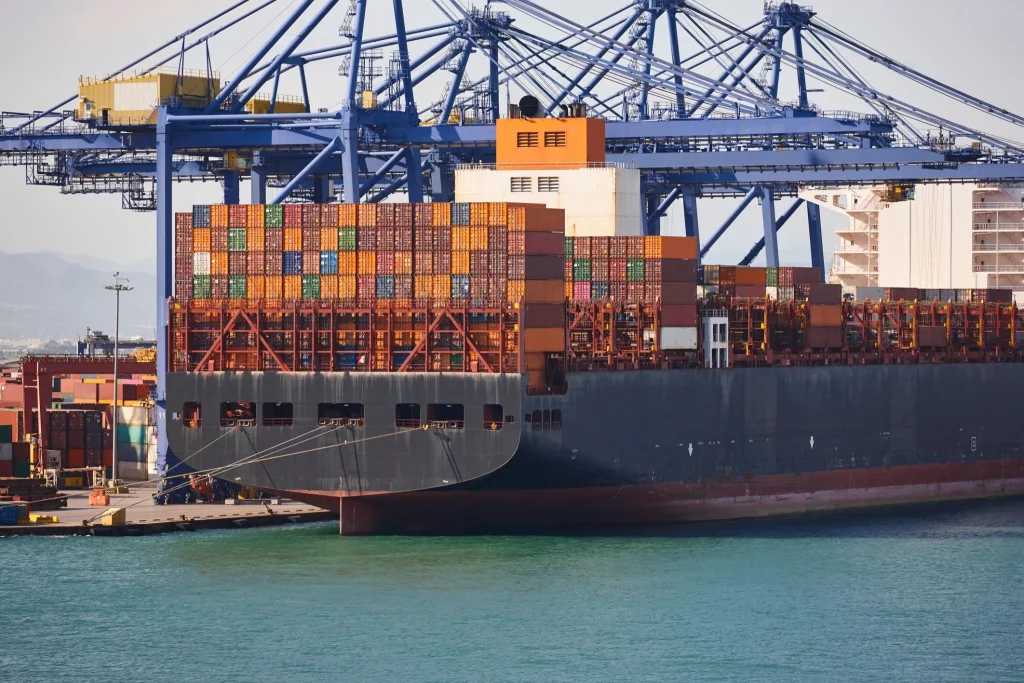
China remains one of the world’s largest manufacturing and export hubs, supplying everything from consumer electronics and industrial equipment to clothing, raw materials, and automotive parts.
For importers, one of the most important questions before placing an order is:
How much does it cost to import from China?
The answer depends on several factors. The product price itself is only one part of the total cost. Shipping charges, customs duties, taxes, insurance, clearance fees, and exchange rate fluctuations can all significantly impact your final profit margin.
Understanding these costs before placing an order is essential for making informed business decisions and avoiding unexpected expenses.
Quick Answer: How Are China Import Costs Calculated?
The total cost of importing from China includes:
- Product cost
- International shipping cost
- Cargo insurance
- Customs duties and taxes
- Customs clearance fees
- Warehousing charges
- Domestic transportation costs
Steps to Calculate Import Costs
- Determine product value
- Calculate shipping costs
- Add insurance expenses
- Calculate customs duties
- Add customs clearance costs
- Include local transportation fees

What Is Included in the Cost of Importing from China?
Many first-time importers focus only on the supplier’s quotation and forget additional expenses.
The total landed cost generally consists of:
Product Purchase Price: This is the amount paid directly to the supplier for the goods.
Packaging Costs: Certain products require export-grade packaging, pallets, or special protective materials.
Inland Transportation in China: Moving cargo from the factory to the port or airport often involves additional charges.
International Freight: This is usually one of the largest components of the total import cost.
Cargo Insurance: Insurance protects your shipment against loss, theft, or damage during transit.
Customs Duties and Taxes: Import duties vary depending on the product category and destination country’s regulations.
Customs Clearance Fees: These costs cover customs processing and documentation.
Storage and Warehousing Fees: Delays in customs clearance may result in additional storage charges.
Domestic Delivery Costs: Transporting goods from the destination port to your warehouse should also be included in the total calculation.
Key Factors Affecting China Import Costs
Several variables influence how much you will ultimately spend.
Type of Product
Product classification directly affects customs duties and import regulations.
Examples include:
- Electronics
- Industrial machinery
- Clothing and textiles
- Automotive parts
- Consumer goods
- Raw materials
Each category has different tariff rates and compliance requirements.
Product Value
Higher-value shipments generally result in higher insurance premiums and customs charges.
For example, a shipment worth $50,000 will typically incur greater costs than one worth $5,000.
Cargo Weight and Volume
Shipping companies calculate freight charges based on either:
- Actual weight
- Volumetric weight
Bulky cargo may cost more to ship even if it is relatively lightweight.
Shipping Method
The transportation method chosen has a significant impact on overall import expenses.
Common methods include:
- Sea freight
- Air freight
- Rail freight
- Multimodal transportation
Selecting the right option can dramatically reduce costs.
Shipping Costs from China
Freight costs fluctuate based on market conditions and logistics factors.
Key pricing factors include:
- Origin city in China
- Destination port
- Cargo type
- Weight and dimensions
- Seasonal demand
- Fuel prices
- Global shipping conditions
As a result, freight rates are never completely fixed and should always be confirmed before shipment.
Sea Freight vs. Air Freight
Choosing between sea and air freight is one of the most important decisions for importers.
Sea Freight
Advantages:
- Lower transportation costs
- Suitable for large shipments
- Ideal for containerized cargo
- Best option for commercial imports
Disadvantages:
- Longer transit times
Air Freight
Advantages:
- Fast delivery
- Suitable for urgent shipments
- Better for high-value goods
Disadvantages:
- Significantly higher costs
For most commercial import operations, sea freight remains the most cost-effective solution.

Container Shipping Costs from China
Container shipping is the preferred option for many businesses importing from China.
20-Foot Container: Suitable for medium-sized shipments.
40-Foot Container: Ideal for larger cargo volumes.
Importers typically choose between:
FCL (Full Container Load): The entire container is reserved for a single customer.
LCL (Less than Container Load): Multiple customers share container space.
For smaller shipments, LCL often helps reduce transportation expenses.
Formula for Calculating China Import Costs
A simple formula is:
Total Landed Cost = Product Cost + Shipping Cost + Insurance + Customs Duties + Clearance Fees + Additional Expenses
Example:
| Cost Item | Amount |
|---|---|
| Product Value | $5,000 |
| Sea Freight | $1,200 |
| Insurance | $100 |
| Customs & Clearance | $900 |
Total Import Cost = $7,200
This calculation provides a basic estimate before placing an order.
How Are Customs Duties Calculated on Imports from China?
Customs duties are one of the most important components of total import costs. Many new importers underestimate these charges and end up with lower profit margins than expected.
The amount of customs duty depends on several factors:
- Product category
- HS Code (Harmonized System Code)
- Customs valuation
- Country-specific regulations
- Applicable taxes and fees
Two products with the same purchase value may have completely different duty rates depending on their classification.
For this reason, importers should always verify the correct HS Code before placing an order.

Real Example: Calculating Import Costs from China
Let’s assume you are importing 1,000 LED lights from a supplier in China.
Shipment Details
- Product value: $8,000
- Sea freight: $1,400
- Insurance: $150
- Customs duties and taxes: $1,300
- Customs clearance: $500
Total Landed Cost
Total Cost = $11,350
If each LED light is sold for $15:
- Total Revenue = $15,000
- Gross Profit = $3,650
This example demonstrates why accurate cost calculation is critical before importing goods.
Estimated Import Costs for Different Product Categories
The total cost of importing from China varies depending on the product type.
| Product Category | Shipping Cost Impact | Customs Impact | Import Complexity |
|---|---|---|---|
| Electronics | Medium to High | Medium | Medium |
| Industrial Equipment | Medium | Medium | Medium |
| Clothing & Apparel | Low to Medium | High | Medium |
| Mobile Accessories | Low | Medium | Easy |
| Lighting Products | Medium | Medium | Medium |
| Machinery | High | Variable | High |
| Toys | Low | Medium | Easy |
| Tools & Hardware | Medium | Medium | Medium |
This table provides only a general reference. Actual costs depend on shipment size, destination, and current market conditions.

China vs. Dubai: Which Import Route Is Better?
Many businesses compare direct imports from China with sourcing products through Dubai.
Benefits of Importing Directly from China
- Lower product prices
- Greater supplier selection
- Direct factory access
- Private labeling opportunities
- Better profit margins
Benefits of Buying Through Dubai
- Faster sourcing process
- Lower risk for small orders
- Easier communication with some suppliers
For large-scale commercial imports, direct sourcing from China is generally more profitable.
Shipping Time from China
Transit time is another important factor when calculating total import costs.
Typical shipping times include:
Sea Freight: Approximately 25–45 days
Air Freight: Approximately 3–10 days
Multimodal Transportation: Approximately 15–30 days
If delivery speed is not your highest priority, sea freight usually offers the best balance between cost and efficiency.
Common Mistakes Importers Make
Many importers increase their costs unnecessarily by making avoidable mistakes.
Choosing Unverified Suppliers: Always conduct supplier verification before making payments.
Ignoring Customs Duties: Failure to calculate duties beforehand can significantly reduce profits.
Underestimating Shipping Costs: Shipping is often one of the largest expenses in international trade.
Skipping Cargo Insurance: A small insurance fee can prevent major financial losses.
Placing Large Orders Without Testing: Always request samples before committing to large-volume purchases.
How to Reduce Import Costs from China
Reducing costs can significantly improve profitability.
Buy Directly from Manufacturers
Eliminating middlemen often lowers product costs.
Choose the Right Shipping Method
The fastest option is not always the most cost-effective.
Consolidate Shipments
Combining multiple orders into one shipment can reduce freight expenses.
Plan Orders in Advance
Peak shipping seasons often lead to higher freight rates.
Work with Experienced Freight Forwarders
Professional logistics providers can help optimize transportation costs and avoid costly mistakes.
Is Importing from China Still Profitable in 2026?
Yes, importing from China remains profitable for many businesses.
Success depends on:
- Selecting the right products
- Accurate cost calculations
- Reliable suppliers
- Efficient shipping strategies
- Understanding market demand
Businesses that manage these factors effectively can still achieve strong profit margins.
FAQ
Import costs depend on product value, shipping method, customs duties, insurance, and clearance fees. There is no universal cost because every shipment is different.
For most commercial shipments, sea freight is typically the most economical option.
Shipping costs are based on factors such as weight, volume, cargo type, origin, destination, and current freight market conditions.
Yes. By knowing the product value, shipping charges, customs duties, and clearance fees, you can calculate an approximate landed cost before placing an order.
In many cases, shipping costs and customs duties account for the largest portion of total import expenses.
Conclusion
Importing from China involves much more than simply paying for the products. Shipping, insurance, customs duties, taxes, clearance fees, and local transportation all contribute to the final landed cost.
Understanding these expenses before placing an order allows businesses to make informed decisions, reduce risks, and maximize profitability.
By carefully planning shipments and calculating all associated costs, importers can build a more sustainable and successful international trade strategy.
Get Expert Import Consultation
Looking to import products from China?
Our team can help you estimate shipping costs, calculate customs expenses, choose the most efficient transportation method, and optimize your import strategy.
Contact us today for a professional consultation and a detailed import cost assessment tailored to your business needs.