


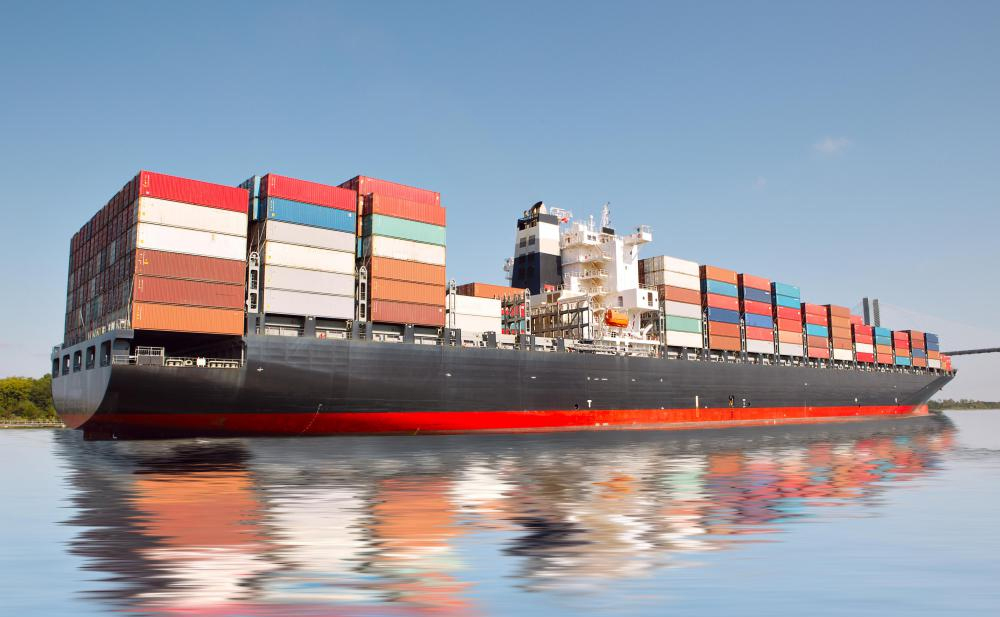
In recent years, international sanctions have had a significant impact on global supply chains, particularly on maritime transport in Iran. Importers and foreign trade professionals have faced rising shipping costs, limited access to international shipping lines, and increasing financial and banking complexities. Despite these challenges, sea freight remains one of the most important and cost-effective methods for transporting goods to Iran.
In this guide by opsshipping, we take a closer look at how sanctions affect maritime transport in Iran, the key challenges importers face, and practical solutions to manage risks and costs more effectively.
How Have Sanctions Affected Maritime Transport in Iran?
Sanctions have influenced maritime transport both directly and indirectly. Restrictions on cooperation between international shipping lines and Iranian ports, fewer direct routes, and greater reliance on indirect shipping paths are among the most notable consequences.
In many cases, vessels are forced to use transshipment ports, which leads to longer transit times and higher overall costs. In addition, some international insurance providers offer limited or no coverage for Iran-related cargo, increasing operational risk for importers.
The Impact of Sanctions on Sea Freight Costs
One of the primary concerns for importers under sanctions is the rising cost of maritime transport. Indirect routing, higher insurance premiums, additional service fees, and banking limitations all contribute to increased landed costs.
However, experience shows that by selecting optimized routes and working with experienced logistics providers such as opsshipping, a significant portion of these costs can be controlled and managed effectively.
For importers focusing on Asian trade routes, especially East Asia, the article “Sea Freight from China to Iran – Smart Shipping Guide” provides a clearer perspective on choosing the most efficient shipping method.
The Role of Transshipment Ports in Iranian Sea Freight
Under sanctions, transshipment ports play a crucial role in maintaining trade flows. Ports in neighboring countries or along active trade corridors are commonly used as intermediate hubs for cargo bound for Iran.
While this approach may increase transit time, it allows essential and commercial goods to continue reaching the Iranian market. Choosing the right transshipment port is a key factor in minimizing both risk and cost in maritime transport.
How Sanctions Affect Transit Time and Cargo Delivery
Sanctions often result in longer shipping timelines. Delays in loading, route changes, and more complex logistical coordination all impact delivery schedules.
For importers with time-sensitive cargo, careful planning and the use of combined transport methods—such as sea and land freight—can be an effective way to balance cost and delivery time.
Is Maritime Transport Still a Viable Option Under Sanctions?
Despite all limitations, the answer remains yes. Compared to air freight, sea freight is still far more economical and remains the preferred option for large-volume shipments. Many importers have successfully adapted their logistics strategies to the current environment and continued to grow their trade activities.
Based on opsshipping’s experience, a deep understanding of routes, regulations, and market conditions can significantly reduce the negative impact of sanctions.
Risk Mitigation Strategies for Maritime Transport Under Sanctions
Managing risk in sanctioned environments requires expertise and strategic planning. Choosing reliable shipping lines, selecting suitable transshipment ports, carefully reviewing shipping documents, and partnering with specialized logistics providers are among the most effective approaches.
Professional consultation before shipment can also help prevent unexpected delays and additional costs.
Why Expert Logistics Consultation Matters More During Sanctions
Under sanctions, even small mistakes in route selection or shipping methods can result in major financial losses. Experienced logistics companies, with in-depth knowledge of restrictions and opportunities, can recommend the most secure and cost-efficient solutions for each shipment.
opsshipping evaluates every shipment individually and provides practical, secure solutions for maritime transport to Iran under sanction conditions.
FAQ
No. While there are restrictions, sea freight to Iran is still active through alternative routes and transshipment hubs.
Higher costs, longer transit times, and limited access to international shipping lines are the most significant challenges.
Yes. By choosing optimized routes, suitable transshipment ports, and working with experienced logistics providers, costs can be managed effectively.
No. The type of cargo, shipment volume, and final destination all influence how strongly sanctions affect transportation.