


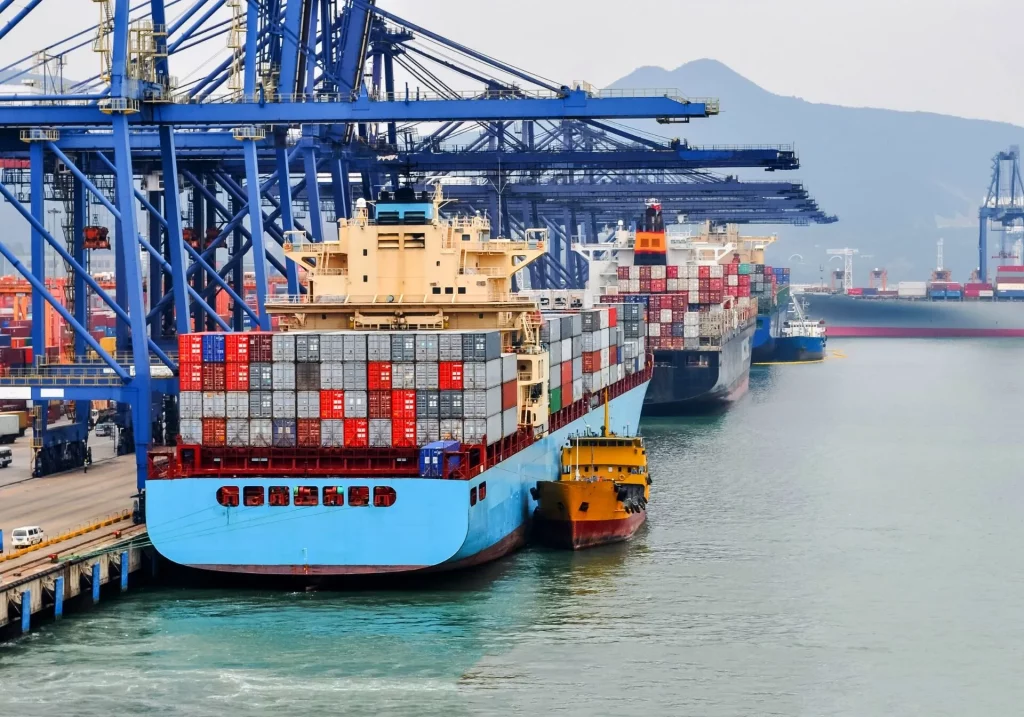
Choosing the right shipping method is one of the most important decisions in international trade. The transportation option you select directly affects shipping costs, delivery time, cargo safety, and overall supply chain efficiency.
When importing goods from China or other international markets, businesses frequently encounter two common shipping terms: FCL (Full Container Load) and LCL (Less than Container Load). Understanding the difference between these methods is essential for selecting the most efficient logistics solution.
FCL (Full Container Load) refers to a shipping method where an entire container is reserved exclusively for one shipper. The cargo is loaded into a dedicated container, sealed at the origin, and remains untouched until it reaches the destination.
For businesses importing large volumes of goods or transporting valuable products, FCL often provides greater security, faster handling, and better cost efficiency.
If you’re new to international shipping methods, we recommend reading our Complete Guide to Shipping Methods from China to Iran, where we compare sea freight, land freight, air freight, FCL, and LCL shipping in detail.
What Is FCL Shipping?
FCL stands for Full Container Load, meaning one shipping container is used exclusively by a single importer or exporter.
Unlike shared-container shipping, where cargo from multiple companies is consolidated into one container, FCL gives one customer complete use of the container’s capacity. Even if the container is not completely full, it is still reserved for that single shipment.
After loading, the container is sealed and remains unopened until it reaches the destination port or warehouse. This significantly reduces the risk of cargo damage, loss, contamination, or handling errors during transit.
For this reason, FCL is the preferred option for many manufacturers, wholesalers, and companies that import goods regularly.

How Does FCL Shipping Work?
The FCL shipping process begins when the supplier finishes preparing the goods.
The cargo is loaded into a dedicated container at the supplier’s warehouse or another designated loading facility. Once loading is complete, the container is sealed and transported to the departure port.
From there, it is loaded onto a container vessel and shipped to the destination country. After customs clearance, the container is delivered to the importer for unloading.
Because the container belongs to a single customer throughout the journey, there is no need for cargo consolidation or deconsolidation, making the process simpler and often faster than shared-container shipping.
When Should You Choose FCL Shipping?
FCL is not only suitable for large shipments—it is also an excellent option whenever cargo security, operational efficiency, and predictable delivery are priorities.
Businesses often choose FCL when importing commercial goods in bulk, transporting fragile products, or maintaining regular import schedules.
In many situations, once cargo volume approaches 15–18 cubic meters, FCL becomes a cost-effective alternative to LCL. However, the final decision should always consider freight rates, shipment value, and overall logistics costs.
If you’re looking for practical ways to optimize freight expenses, read our article How to Reduce Container Shipping Costs from China, where we explain strategies for lowering transportation costs without compromising service quality.
Advantages of FCL Shipping
One of the biggest advantages of Full Container Load shipping is the higher level of cargo protection.
Since only one shipper uses the container, goods are not mixed with cargo from other companies. This minimizes handling, reduces the likelihood of damage, and lowers the risk of shipping errors.
FCL also simplifies customs handling and often shortens loading and unloading procedures.
Key advantages include:
- Exclusive use of the container
- Higher cargo security
- Lower risk of damage
- Faster loading and unloading
- Better for valuable or fragile products
- More economical for large shipments
- Improved supply chain efficiency
Disadvantages of FCL Shipping
Although Full Container Load shipping offers many advantages, it is not always the best solution for every shipment.
If your cargo volume is relatively small, paying for an entire container may significantly increase transportation costs. In these situations, sharing container space with other shippers through LCL shipping can be a more economical choice.
FCL also requires a larger shipping budget upfront, making it less suitable for occasional importers or businesses with low-volume orders.
Some of the main disadvantages include:
- Higher shipping costs for small cargo volumes
- Paying for unused container space
- Larger initial logistics budget
- Less suitable for occasional imports
Choosing between FCL and LCL should always be based on cargo volume, shipping budget, delivery deadlines, and overall supply chain strategy.

FCL vs. LCL: What’s the Difference?
One of the most common questions among importers is whether they should choose FCL or LCL shipping.
The main difference lies in how the container is used.
With FCL (Full Container Load), one customer reserves the entire container. With LCL (Less than Container Load), cargo from multiple importers is consolidated into a shared container, and each customer pays only for the space occupied by their shipment.
Because of this difference, FCL is generally preferred for large commercial shipments, while LCL is more suitable for smaller cargo volumes.
| Feature | FCL | LCL |
|---|---|---|
| Container Usage | Exclusive | Shared |
| Best For | Large shipments | Small shipments |
| Cargo Security | Very High | High |
| Risk of Damage | Lower | Higher |
| Shipping Cost for Small Cargo | Higher | Lower |
| Loading & Delivery Speed | Faster | Slower |
How Are FCL Shipping Costs Calculated?
Many importers assume that FCL pricing only depends on ocean freight rates, but the total shipping cost includes several additional logistics expenses.
Factors affecting FCL shipping costs include:
- Container size (20-foot or 40-foot)
- Port of origin
- Destination port
- Cargo type
- Shipment weight and volume
- Ocean freight rates
- Port handling charges (THC)
- Documentation fees
- Marine insurance
- Customs clearance costs
- Seasonal market conditions
International freight rates also fluctuate depending on global demand, vessel capacity, fuel prices, and geopolitical events.
Transit Time for FCL Shipping
Transit time depends on several operational factors, including the departure port, shipping line schedule, weather conditions, customs procedures, and the destination port.
For shipments from China to Iran, FCL ocean freight generally takes between 20 and 40 days, depending on the shipping route and port of origin.
Since there is no cargo consolidation or separation during transportation, FCL shipments often move through ports more efficiently than LCL cargo.
Want to compare delivery times between sea, land, and air freight? Read our Shipping Time from China to Iran article for a complete comparison.
What Products Are Best Suited for FCL Shipping?
FCL shipping is particularly suitable for businesses transporting large commercial volumes or high-value cargo.
It is commonly used for:
- Industrial machinery
- Manufacturing equipment
- Consumer electronics
- Home appliances
- Automotive parts
- Factory raw materials
- Wholesale commercial goods
- High-value cargo requiring additional protection
Using a dedicated container helps reduce handling, improve cargo security, and simplify logistics operations throughout the supply chain.
Common Mistakes When Choosing FCL Shipping
Selecting the wrong shipping method is one of the most common reasons businesses experience unnecessary logistics expenses.
Many importers assume that FCL is always the better option because it offers exclusive use of a container. However, if the shipment volume is too small, paying for an entire container may significantly increase the total transportation cost.
Another common mistake is choosing a freight forwarder solely based on the lowest quoted price. While competitive pricing is important, factors such as shipping reliability, transit time, documentation support, customs expertise, and transparent pricing should also be considered.
Some of the most common mistakes include:
- Choosing FCL for low-volume shipments
- Comparing freight rates without calculating total landed costs
- Ignoring port handling, customs, and documentation fees
- Selecting the cheapest freight provider without evaluating service quality
- Failing to plan customs clearance before cargo arrival
Working with an experienced logistics partner helps businesses select the most efficient shipping solution while minimizing delays and unexpected costs.
FAQ
FCL stands for Full Container Load, meaning one shipping container is reserved exclusively for a single shipper or importer.
FCL is usually the best option when shipping large cargo volumes, valuable goods, or regular commercial shipments that can efficiently utilize most or all of a container’s capacity.
In many situations, yes.
Because FCL shipments do not require cargo consolidation or deconsolidation, loading, unloading, and customs handling are often completed more quickly than with LCL shipments.
For small shipments, yes.
However, for large cargo volumes, FCL often becomes more cost-effective because the transportation cost per cubic meter is generally lower.
Shipping costs depend on multiple factors, including container size, shipping route, ocean freight rates, cargo type, destination, customs charges, insurance, and port handling fees.

Conclusion
Full Container Load (FCL) is one of the most reliable and widely used ocean freight solutions in international trade.
By providing exclusive use of an entire shipping container, FCL offers greater cargo security, simplified handling, and improved operational efficiency. It is particularly suitable for businesses importing large quantities of goods or transporting valuable products that require additional protection.
However, FCL is not automatically the best choice for every shipment. Businesses should evaluate cargo volume, shipping costs, delivery deadlines, and overall supply chain requirements before selecting a transportation method.
A well-planned logistics strategy can significantly reduce shipping expenses, improve delivery performance, and strengthen supply chain reliability.
Why Choose Opsshipping?
Opsshipping provides professional international freight forwarding services, including ocean freight, import, export, transit solutions, multimodal transportation, and Door-to-Door logistics across major trade routes connecting China, Dubai, Turkey, India, Russia, and Iran.
Whether you need FCL, LCL, or multimodal shipping services, our logistics specialists will help you choose the most efficient transportation solution based on your cargo, budget, and delivery schedule.
Our goal is to ensure your goods arrive safely, on time, and at the most competitive cost.