


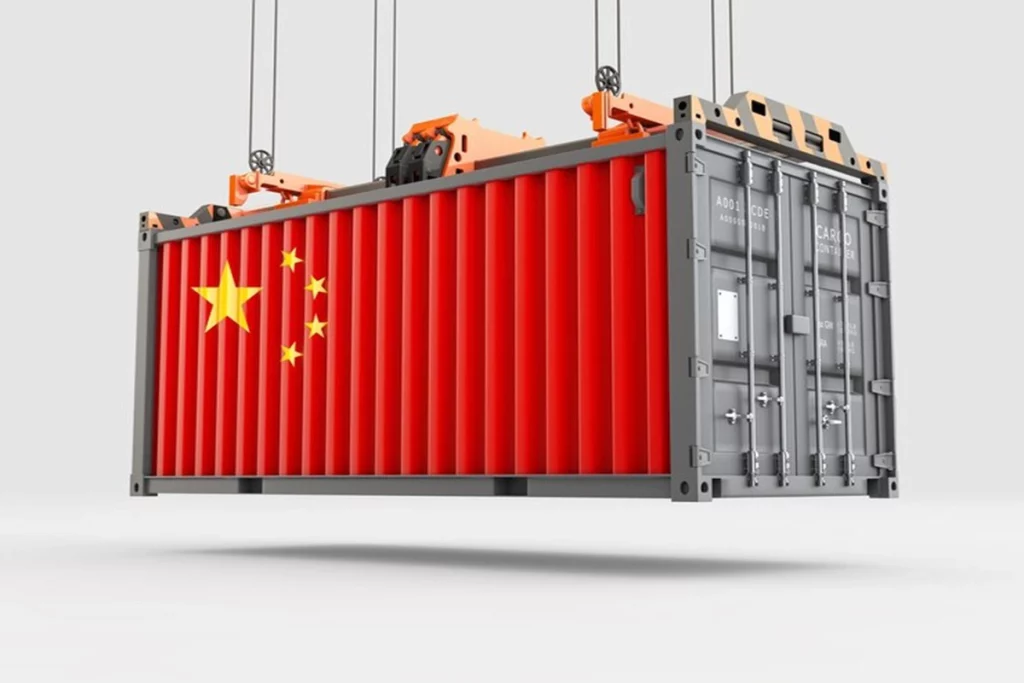
Many first-time importers assume that importing goods from China only involves paying the supplier and covering the shipping cost. In reality, importing is a multi-layered financial process that includes transportation, insurance, customs duties, clearance fees, and several hidden expenses. If you fail to calculate these costs accurately, your expected profit margin can quickly disappear.
In this guide, we explain every expense you will face—from placing the order with your Chinese supplier to receiving the goods at your warehouse in Iran—so you can calculate the true landed cost and make informed business decisions.
1. Product Purchase Cost
The first and most obvious expense is the price you pay your supplier. However, even this stage requires careful attention. Suppliers typically quote prices under different Incoterms such as EXW (Ex Works) or FOB (Free on Board), and the difference between them directly affects your total cost.
With EXW, you are responsible for inland transportation within China. With FOB, the supplier delivers the goods to the port of departure. Failing to understand these terms may result in unexpected logistics expenses later in the process. You should also confirm whether export-standard packaging is included in the price to avoid damage during transit.
2. International Shipping Costs
Shipping is one of the most significant components of the total import cost. The final freight rate depends on factors such as cargo volume, weight, shipping method, season, and global freight market conditions.
Sea Freight
Sea freight is generally the most cost-effective option for large-volume shipments. It reduces the cost per unit but requires longer transit times, typically between 25 to 40 days.
Air Freight
Air freight is much faster, usually delivering within 7 to 12 days. However, it comes at a significantly higher cost and is best suited for lightweight, high-value, or urgent goods.
Combined or Multimodal Shipping
Some importers choose a combination of sea and land transport to balance cost and delivery speed. This method can offer a practical compromise between affordability and transit time.
Choosing the wrong shipping method can dramatically impact your profit margin, so this decision should align with your product type and business model.
3. Cargo Insurance
Although insurance represents a relatively small percentage of the shipment’s value, it plays a critical role in risk management. Goods may suffer damage, loss, or delays during transit. Without insurance coverage, you must absorb the entire financial loss.
For fragile, electronic, or high-value goods, cargo insurance is strongly recommended. A small insurance premium can protect your investment and provide peace of mind throughout the shipping process.
4. Port and Terminal Charges
Once your shipment arrives in Iran, port-related expenses begin to accumulate. These include terminal handling charges (THC), unloading fees, documentation fees, and temporary storage costs.
If customs clearance is delayed, storage fees can increase rapidly. Many new importers underestimate these charges and face unexpected expenses upon arrival of their cargo. Proper documentation and timely coordination help reduce unnecessary port costs.
5. Customs Duties and Import Taxes
Customs duties represent one of the most influential factors in determining the final landed cost. The payable amount depends on the product’s HS Code (Harmonized System Code), which defines the applicable tariff rate.
Import costs typically include:
- Customs duty
- Commercial profit tax
- Value Added Tax (VAT)
- Additional regulatory or inspection fees (depending on product type)
Selecting the correct HS Code is essential. Even a small percentage difference in tariff rates can significantly change your total cost and profitability.
6. Customs Clearance Costs
Customs clearance involves submitting documentation, declaring goods, paying duties, and obtaining required permits. Many importers hire professional customs brokers to handle this process efficiently and avoid costly mistakes.
Clearance fees vary depending on shipment complexity, product type, and required licenses. Incomplete documentation or missing permits can cause delays and additional charges.
7. Hidden and Unexpected Costs
Beyond official expenses, importers often encounter hidden costs that affect the final calculation. These may include:
- Container demurrage charges
- Currency exchange fluctuations
- International payment transfer fees
- Pre-shipment inspection costs
- Delays in order registration
Professional importers always allocate a financial buffer to absorb these unpredictable expenses.
How to Calculate the Final Landed Cost
To determine the true cost of importing from China to Iran, you should calculate:
Product Cost
- International Shipping
- Insurance
- Port Charges
- Customs Duties & Taxes
- Clearance Fees
= Final Landed Cost
Only after calculating this total can you accurately determine your selling price and profit margin.
Practical Example
Assume the following scenario:
- Product cost: $10,000
- Sea freight: $2,000
- Insurance: $100
- Customs duties and taxes: Approximately 25% of CIF value
- Clearance and miscellaneous costs: $1,500
Your total expense would range between $16,000 and $17,000. This means your final landed cost may be 50–70% higher than the original purchase price.
Conclusion
The real cost of importing from China to Iran extends far beyond the supplier’s invoice. A successful importer carefully calculates every stage of the process—from purchase and shipping to customs clearance and hidden charges.
If you want to protect your profit margin and make confident business decisions, always calculate the full landed cost before placing your order.
FAQ
No. The final cost varies depending on product type, shipping method, tariff rate, and market conditions.
In many cases, customs duties and taxes account for the largest portion of additional costs.
Yes, but for lightweight or high-value goods, it may still be economically justified.
Yes. Proper HS Code classification, efficient logistics planning, and professional customs handling can significantly optimize expenses.