


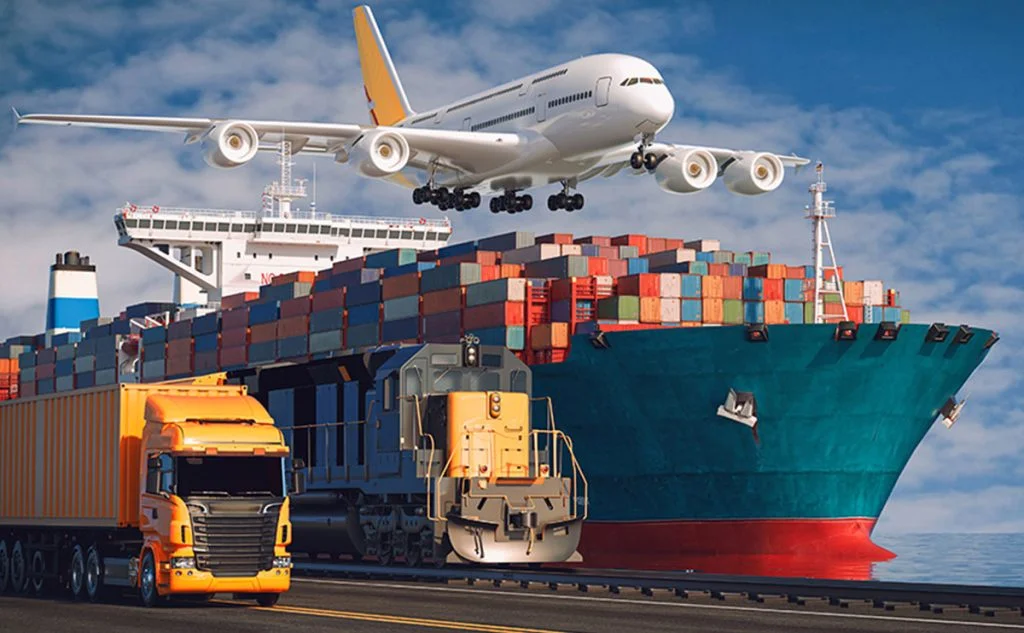
Importing goods from China to Iran offers significant opportunities for businesses, but it also comes with complex logistical challenges. Many importers—especially those without sufficient experience—make critical mistakes during the shipping process that lead to higher costs, delays, customs issues, and financial losses.
In this comprehensive guide, we explore the most common mistakes importers make when shipping goods from China to Iran and explain how proper planning, smart shipping choices, and professional logistics support can help reduce risks and ensure smoother imports.
1. Choosing the Wrong Shipping Method
One of the most frequent mistakes importers make is selecting a shipping method without fully understanding its cost structure, transit time, and limitations. Many businesses automatically choose sea freight because it is cheaper per unit, without considering delivery deadlines, cargo sensitivity, or total landed cost.
For some shipments, air freight or combined sea–land transportation may be more efficient despite higher upfront costs. Choosing the wrong method can result in long delays, inventory shortages, and increased storage expenses.
Importers should always evaluate shipment volume, urgency, and budget before selecting the most suitable transport method.
2. Underestimating Total Shipping Costs
Another common error is focusing only on basic freight rates while ignoring hidden or additional costs. Expenses such as port handling fees, customs clearance, insurance, warehousing, inland transportation, and currency fluctuations can significantly increase the final cost.
Without a clear breakdown of these expenses, importers may face unexpected charges that disrupt cash flow and reduce profit margins.
Understanding the full cost structure—especially for combined sea and land transport—is essential for accurate budgeting and pricing strategies.
3. Poor Documentation and Compliance Issues
Incorrect or incomplete shipping documents are among the main reasons for customs delays and penalties. Errors in invoices, packing lists, bills of lading, or certificates of origin can cause shipments to be held at ports or borders.
In some cases, non-compliance with regulations may even result in cargo seizure or forced re-export.
Working with experienced freight forwarders and ensuring accurate documentation from the beginning can prevent costly mistakes and delays.
4. Ignoring Transit Time and Route Planning
Many importers fail to properly assess transit times, especially when indirect routes or transit ports are involved. Sanctions and operational limitations often require shipments to pass through intermediary ports, increasing delivery time.
Lack of proper planning can disrupt supply chains, delay production schedules, and affect customer satisfaction.
Strategic route planning—including the use of combined sea and land transport—can help balance cost efficiency with delivery timelines.
5. Not Using Insurance Coverage
Some importers attempt to reduce costs by skipping cargo insurance, assuming risks are minimal. This is a major mistake. Shipping goods over long distances exposes cargo to damage, loss, theft, or unforeseen disruptions.
Without insurance, any incident during transit can lead to serious financial losses.
Proper cargo insurance provides peace of mind and protects businesses from unexpected risks throughout the shipping process.
6. Working with Inexperienced Logistics Providers
Choosing logistics partners based solely on low prices often results in poor service quality. Inexperienced providers may lack knowledge of sanctions-related restrictions, alternative routes, or customs procedures specific to Iran.
This can lead to miscommunication, delays, and higher long-term costs.
Partnering with experienced shipping companies that specialize in China–Iran trade routes allows importers to navigate complexities more efficiently and avoid costly mistakes.
7. Lack of Long-Term Import Planning
Many businesses approach imports on a shipment-by-shipment basis without developing a long-term logistics strategy. This reactive approach often leads to inconsistent costs, unreliable delivery schedules, and missed optimization opportunities.
A well-defined import strategy—covering shipping methods, routes, cost control, and supplier coordination—helps businesses scale operations sustainably and reduce risks over time.
How to Avoid These Common Shipping Mistakes
To minimize risks when shipping goods from China to Iran, importers should:
- Carefully compare shipping methods based on cost, time, and cargo type
- Analyze total shipping costs, not just freight rates
- Ensure accurate and compliant documentation
- Plan transit routes strategically
- Use proper cargo insurance
- Work with experienced logistics providers
- Develop a long-term import and supply chain strategy
Professional consultation before shipping can significantly reduce unexpected costs and delays.
Why Professional Logistics Support Matters
Shipping goods from China to Iran requires deep knowledge of routes, regulations, and market conditions. Experienced logistics providers help importers select the most efficient shipping solutions, manage risks, and optimize costs.
With expert guidance, businesses can turn shipping challenges into competitive advantages.
FAQ
Choosing the wrong shipping method without considering total cost and transit time is one of the most common mistakes.
Not necessarily. While sea freight has lower base costs, combined sea–land or air freight may be more cost-effective depending on urgency and cargo type.
By using proper documentation, cargo insurance, professional logistics support, and strategic route planning.
Yes, sanctions affect routing, insurance, and banking, making experienced logistics partners essential.
Long-term planning is highly recommended to control costs, improve reliability, and reduce operational risks.