


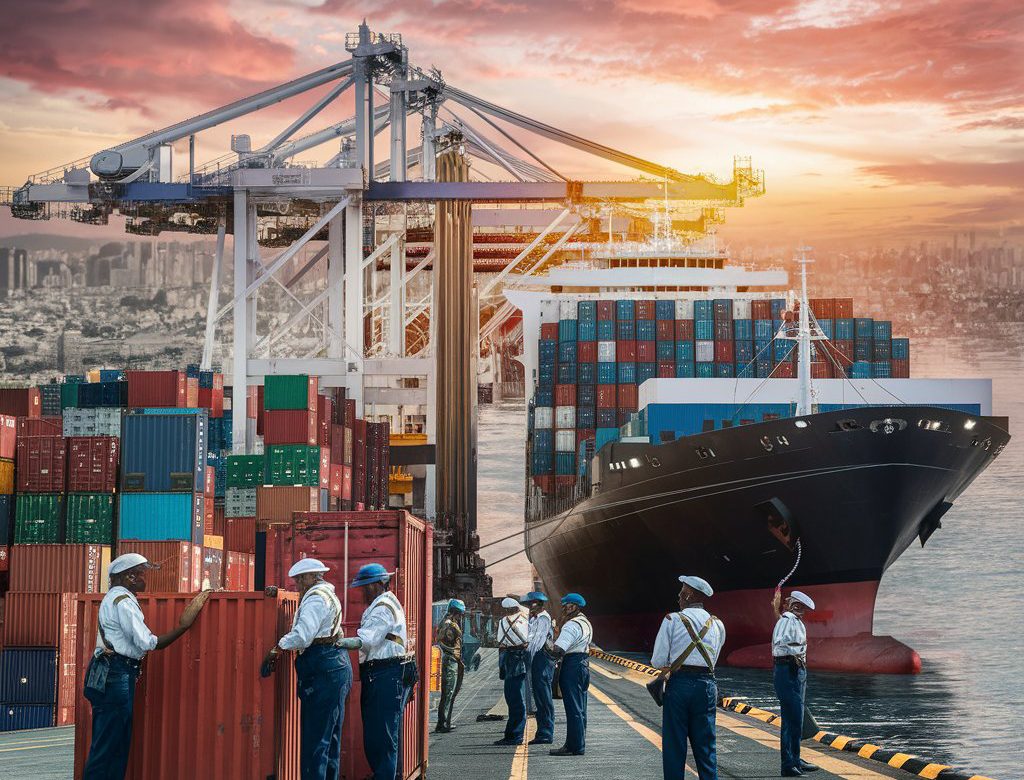
In today’s competitive environment, port marketing is no longer merely about attracting cargo and increasing port traffic. It has evolved into a multi-layered strategic process that plays a crucial role in defining a port’s position within the global trade chain. Successful ports leverage targeted market development, port branding, and smart utilization of regional capacities to increase their share in international markets and achieve sustainable revenue.
Effective port marketing aligns with broader economic goals and a maritime-focused strategy. Developing new transport corridors, strengthening regional and international interactions, and equipping infrastructure according to target market needs significantly enhance a port’s competitive position.
The Role of Port Marketing in Enhancing Competitiveness
In competitive markets, attracting and retaining cargo flow is one of the most important revenue sources for ports. Precisely identifying target markets, smart penetration strategies, and market development based on contemporary methods form the core of port marketing. Today, merely focusing on traditional markets is insufficient; ports must engage in directed market creation aligned with their regional capacities and advantages.
Effective port marketing reduces logistical costs for cargo owners while providing diverse value-added services, increasing port attractiveness and driving revenue growth. This approach not only attracts new customers but also fosters loyalty among existing ones.
Infrastructure: The Backbone of Successful Port Marketing
A key prerequisite for effective port marketing is a thorough assessment of the port’s geographical location, capacity, infrastructure, and operational conditions. Developing and equipping terminals, facilitating multimodal transport, creating logistics parks, and focusing on hinterland connections are essential measures that enhance cargo attraction and revenue generation.
Alongside physical infrastructure, skilled human resources, energy infrastructure, and robust management structures play decisive roles in port marketing success. Ports that integrate these elements effectively are more likely to compete successfully on regional and global scales.
Port Branding and the Role of Digital Tools
Port branding, a critical component of modern marketing, helps ports establish a clear and distinct image in target markets. Reliable services, fast cargo handling, and transparency in processes form the foundation of a strong port brand.
Digital tools and marketing platforms play a pivotal role in reducing costs and improving efficiency. These platforms allow direct interaction with cargo owners and logistics companies, facilitating quicker and more informed decision-making.
Developing Corridors and New Markets: Opportunities for Ports
Identifying and expanding into new target markets, particularly through the creation of innovative transport corridors, is a key strategy to boost port revenues. This approach not only reduces transportation costs and time but also opens new opportunities for cargo transit and international trade development.
For instance, strengthening transit routes from southern ports to Northern European markets or CIS countries can significantly enhance port positioning and contribute to regional economic growth.
Economic Diplomacy: Connecting Ports to Global Markets
Port marketing cannot be fully effective without economic diplomacy. Active engagement with target countries, negotiating new transport corridors, and strengthening international cooperation are essential steps to support port development.
Within a maritime-focused economy, ports and free zones must actively participate in economic diplomacy to increase their share of global trade, generate sustainable revenue, and strengthen the national economy.